Skylights and rooflights in Crawley, specified for light and for quiet

Installation and replacement across Crawley and 30 miles around. Under the Gatwick flight paths, beside the M23 or beneath a Sussex downpour, we choose the glass for the noise your room hears, and guarantee the work for 10 years.

Get a quote What is a quiet spec?

No obligation. A written quote and quiet spec after one visit.

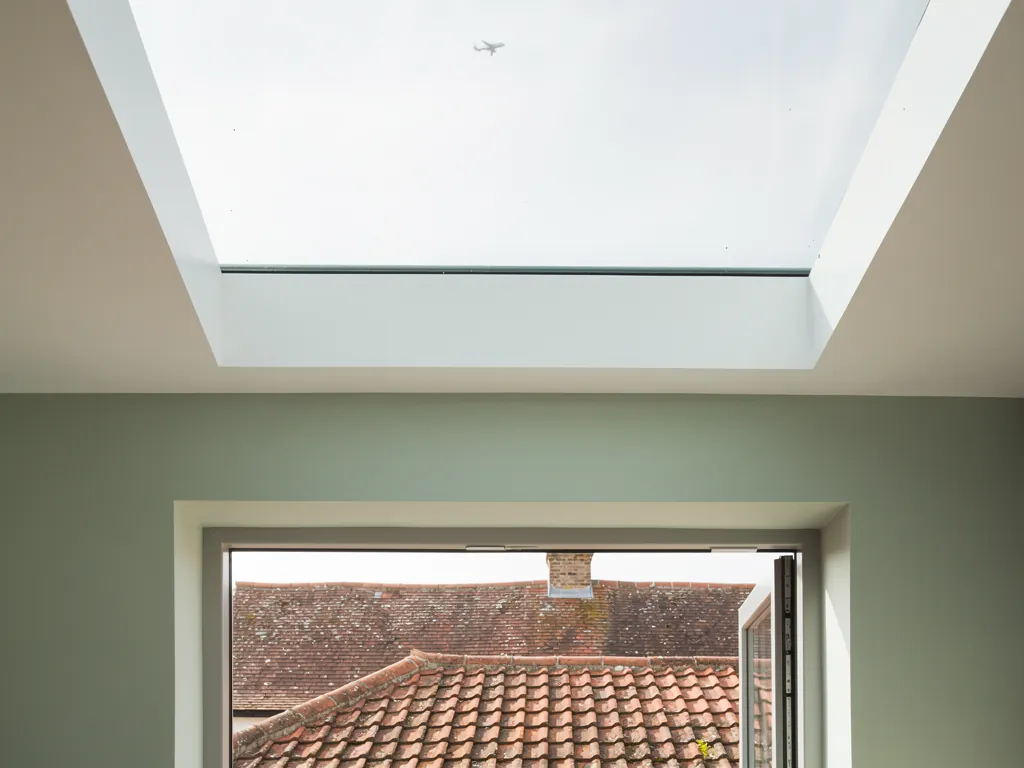
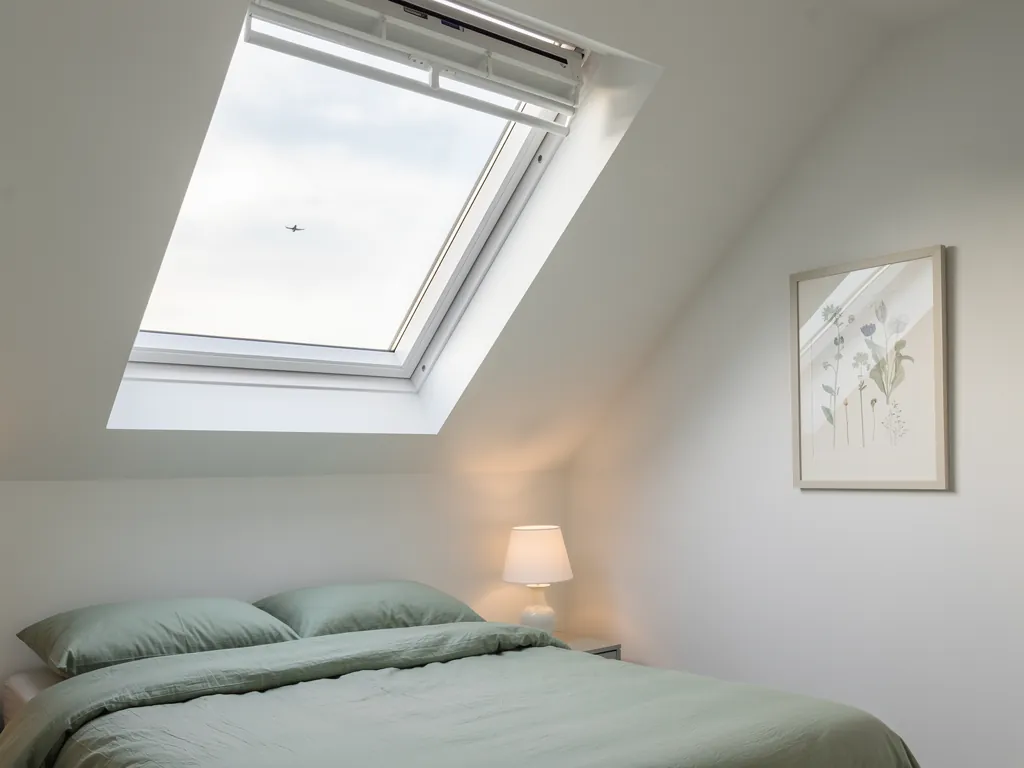
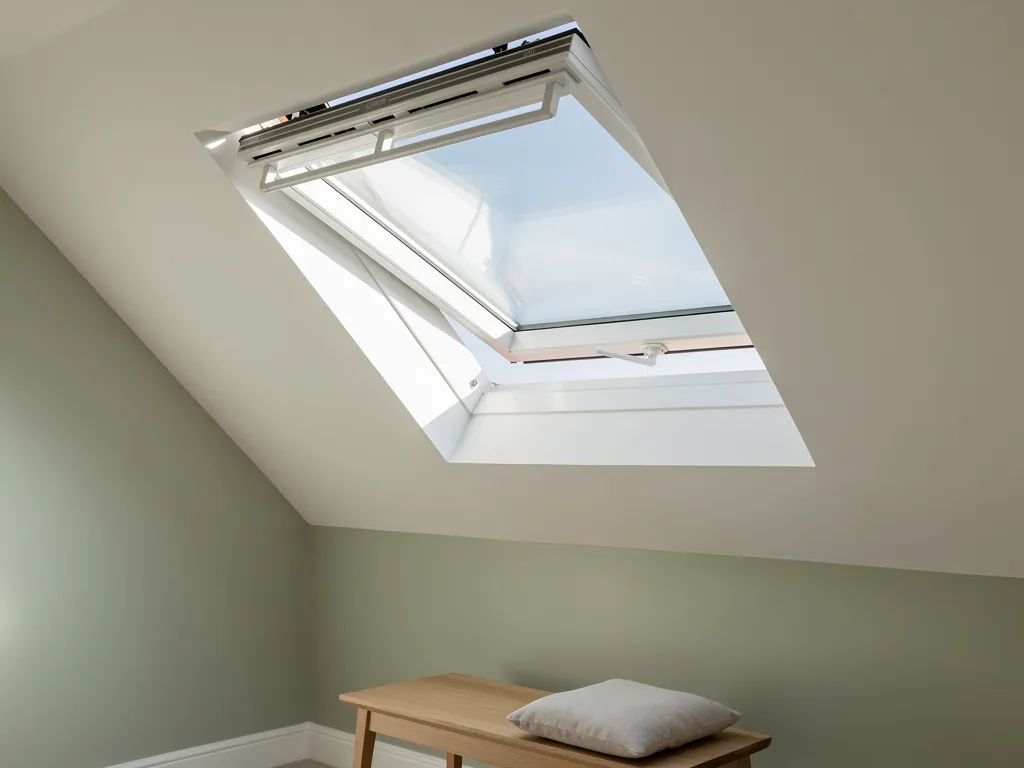
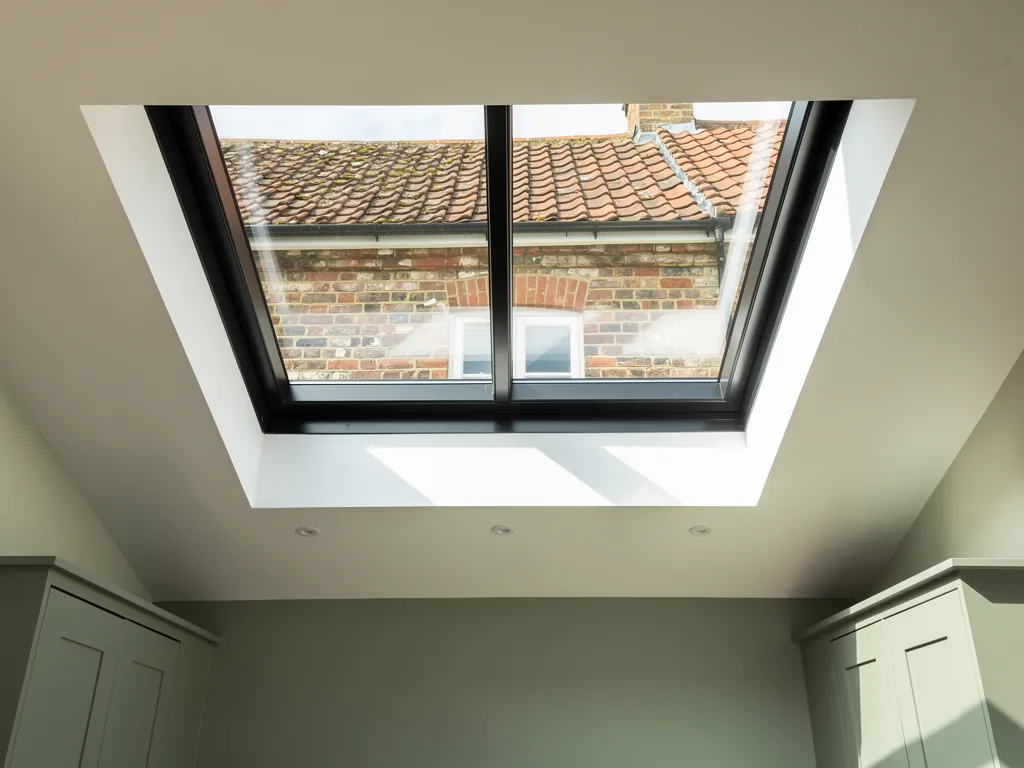
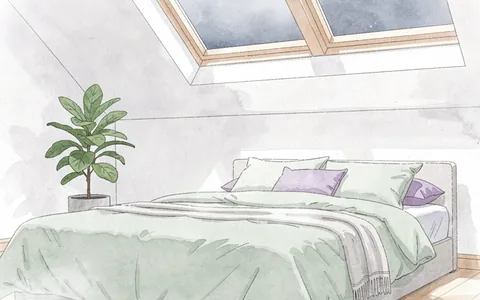
A calm loft bedroom in a Crawley home under a large roof window, pale sky above
  • 10-year workmanship guarantee
  • Building Control notification handled
  • Fitted to current Building Regulations
  • A quiet spec with every quote
  • Crawley and 30 miles around

A rooflight lets in light. It can let in noise too.

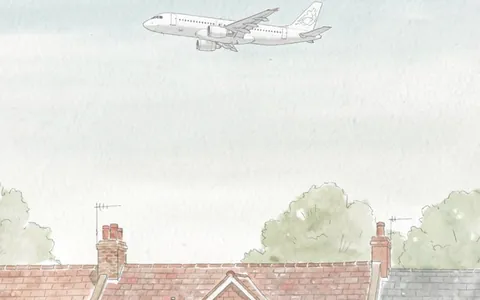
  • Aircraft overhead

    Early departures and late arrivals over Crawley and its villages.

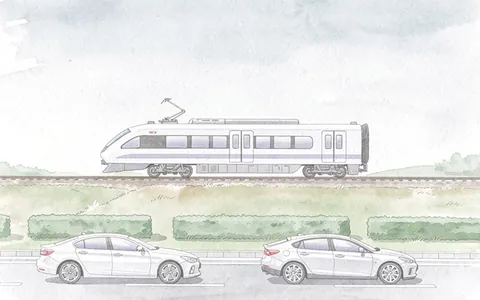
  • Road and rail

    The M23, the A23 and the Brighton main line, carried in through thin glass.

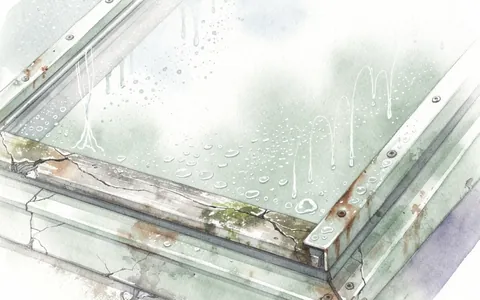
  • Rain drumming on glass

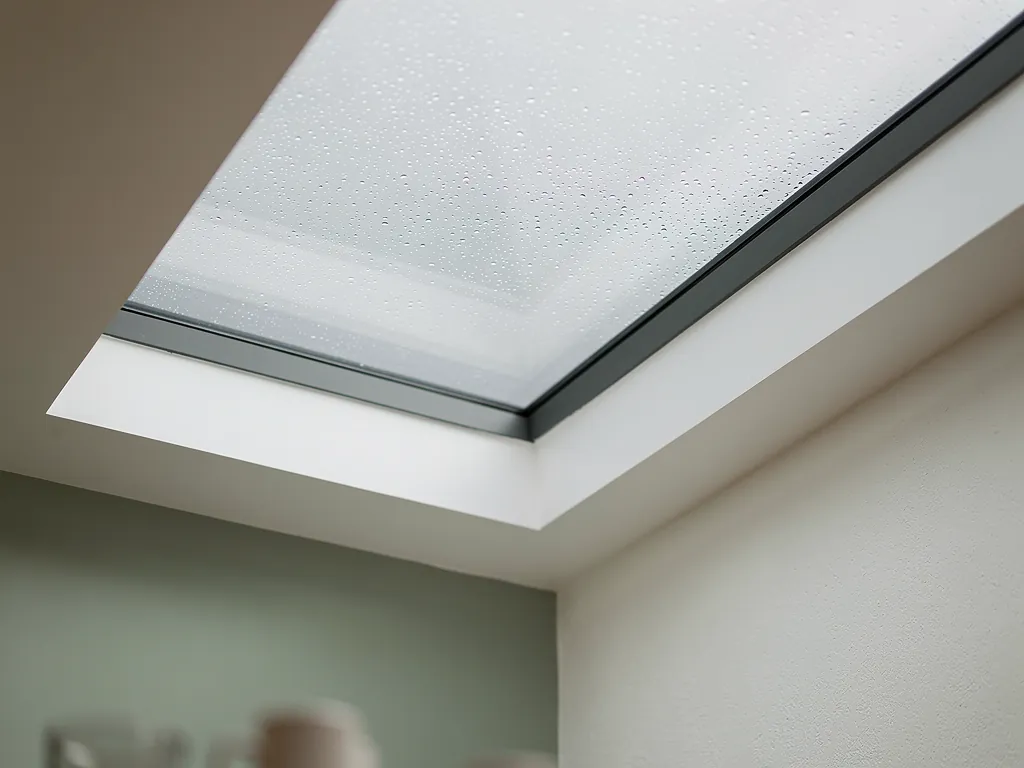
    A downpour on a flat rooflight or lantern can fill a kitchen.

  • Thin glass, tired seals

    Older units let sound in round the edges as well as through the pane.

The quiet spec

Every quote comes with one, written for your room. How the quiet spec works.

Room:
loft bedroom, Pound Hill
What we heard:
early departures, rain on the slope
Glazing:
laminated acoustic inner pane
Seals and upstand:
fully sealed, insulated

Noise out hereStill in here

What you can hold us to

  • A quiet spec before any roof is opened
  • A written quote agreed before work starts
  • Made good inside, ready to decorate
  • 10-year workmanship guarantee on every installation

From first visit to a quieter room

  1. Home survey, and we listen

    We look at the roof and the room, and note what you hear in it.

  2. Written quote and quiet spec

    One price, and the glass and seals chosen for that room.

  3. Tidy installation

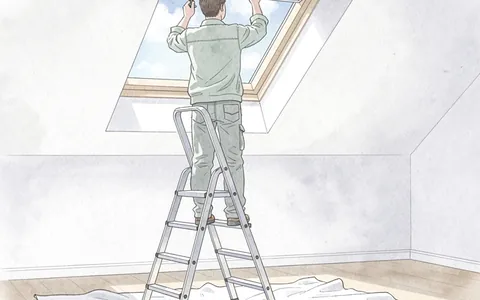
    Dust sheets down, the opening formed, the unit fitted and sealed.

  4. Made good and guaranteed

    Plastered and ready to decorate, with a 10-year guarantee.

Crawley and 30 miles around

We install and replace rooflights across West Sussex, Surrey, the East Sussex edge and the Kent border, about 30 miles by road from Crawley.

See all 84 towns we cover

The circle shows 30 miles in a straight line. We measure by road, so a few places at the edge fall just inside or just outside.

Choosing the rooflight

Which rooflight suits which room

The room and the shape of the roof decide the product, far more than whether you call it a skylight or a rooflight.

Skylight installation in Crawley starts with the room. A loft bedroom, a kitchen extension and a windowless landing each want a different kind of roof glass, and each one hears the outside world in a different way.

The two trade words overlap. "Skylight" is the everyday word, the one typed into search boxes. "Rooflight" is the word manufacturers and Building Control officers use. Both mean glazing set into a roof to bring daylight down into the room below, and we use them both on this site because you will meet both on quotes and drawings. If the difference matters to you, our note on what the two words mean sets it out properly.

What matters far more than the name is the shape of the roof and the use of the room. A pitched roof and a flat roof take completely different products. A room you sleep in needs different glass from a room you cook in. A hallway with no window at all may not need a rooflight in the glazing sense, just a tube that carries light down from the tiles.

Roof window

Roof
Pitched, tiled or slate
Rooms it suits
Loft bedrooms, studies
What to watch
Opening sash seals

Flat rooflight

Roof
Flat, on an upstand
Rooms it suits
Kitchen and rear extensions
What to watch
Rain on flat glass

Roof lantern

Roof
Flat, raised frame
Rooms it suits
Kitchens, dining rooms
What to watch
Large glass area

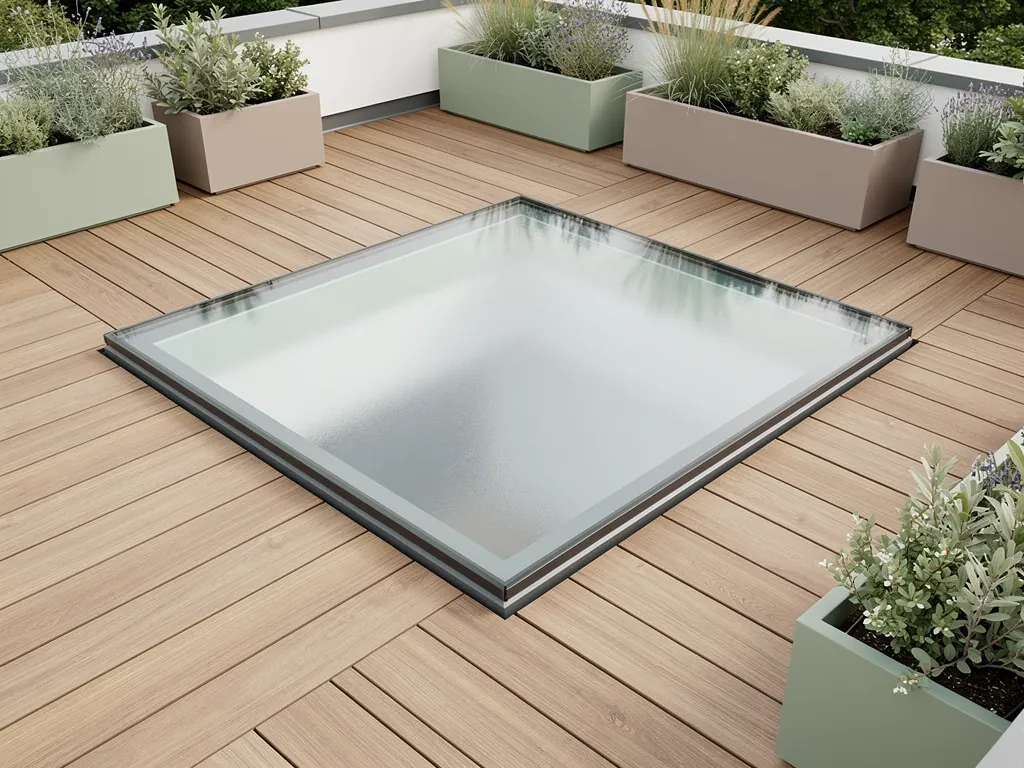
Walk-on rooflight

Roof
Flat roof or terrace
Rooms it suits
Basements, lower floors
What to watch
Load and slip rating

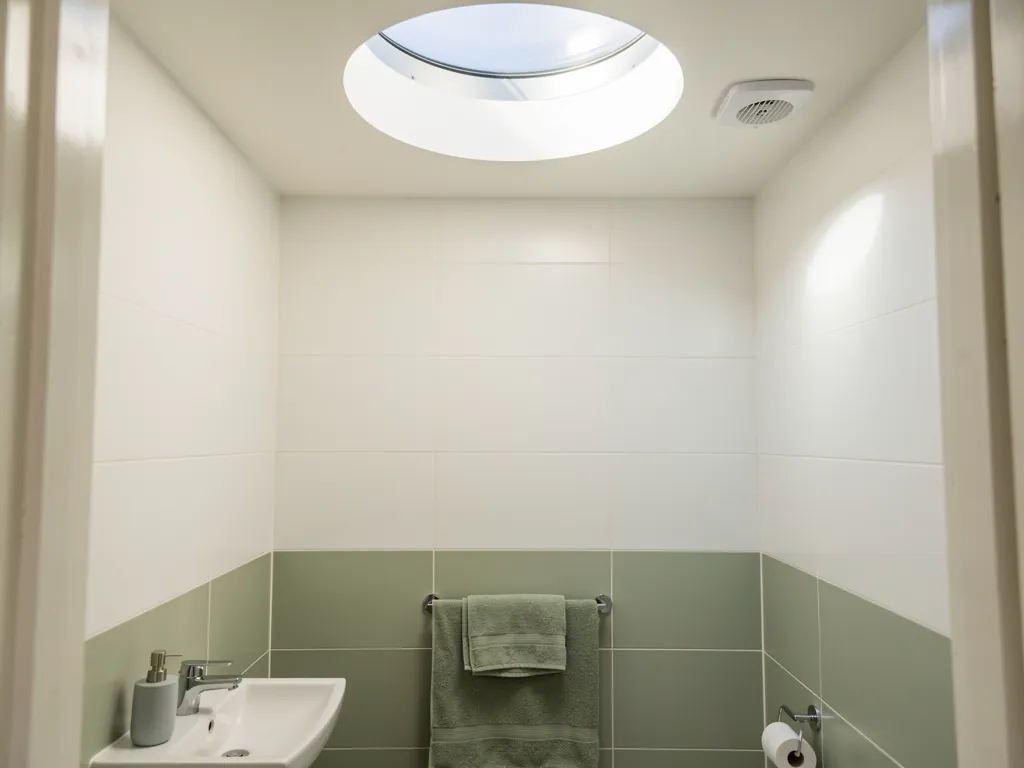
Sun tunnel

Roof
Pitched or flat
Rooms it suits
Landings, bathrooms
What to watch
Small, fixed light only
Rooflight typeRoofRooms it suitsWhat to watch
Roof windowPitched, tiled or slateLoft bedrooms, studiesOpening sash seals
Flat rooflightFlat, on an upstandKitchen and rear extensionsRain on flat glass
Roof lanternFlat, raised frameKitchens, dining roomsLarge glass area
Walk-on rooflightFlat roof or terraceBasements, lower floorsLoad and slip rating
Sun tunnelPitched or flatLandings, bathroomsSmall, fixed light only

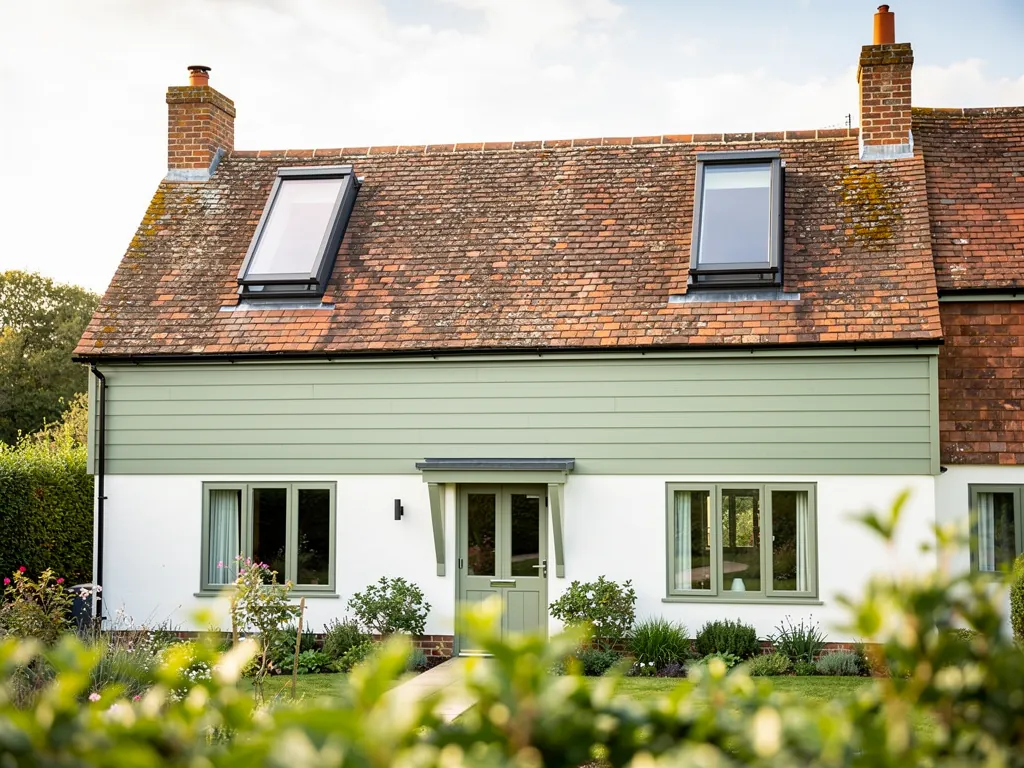
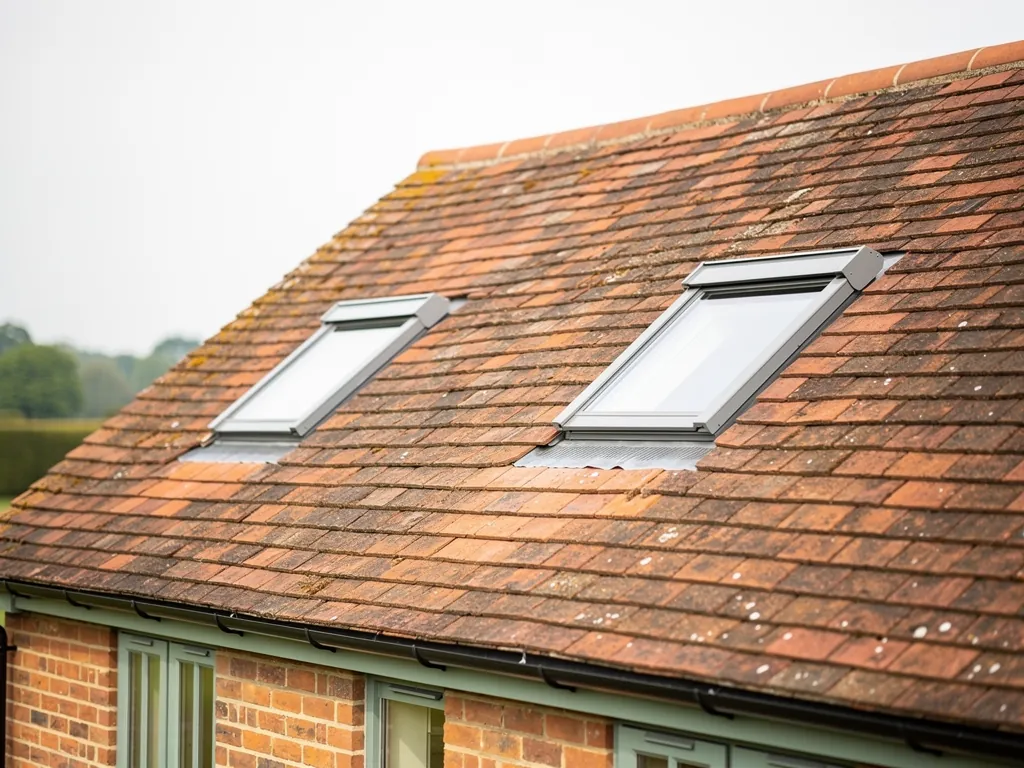
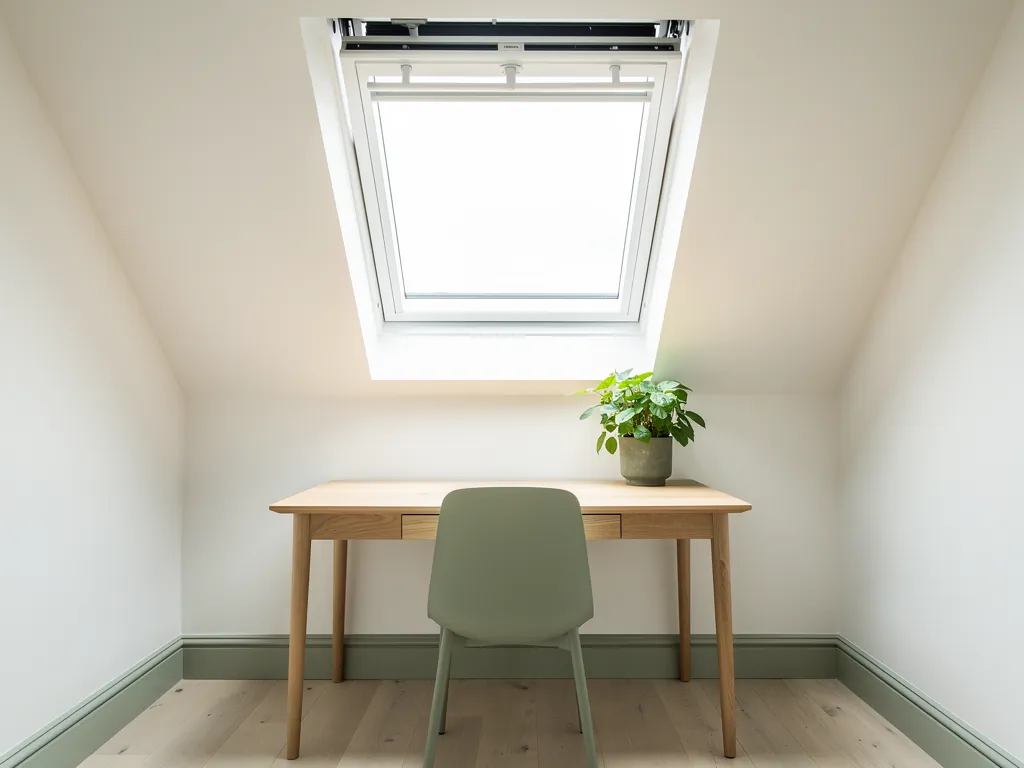
On a pitched roof, the usual choice is a roof window: a framed, opening window set into the slope between the rafters, flashed into the tiles. It is the standard fitting in a loft conversion. The category is widely known by its best-known brand, and our VELUX window installation page covers those products specifically, from centre-pivot and top-hung sashes to the flashing kits that suit concrete interlocking tiles.

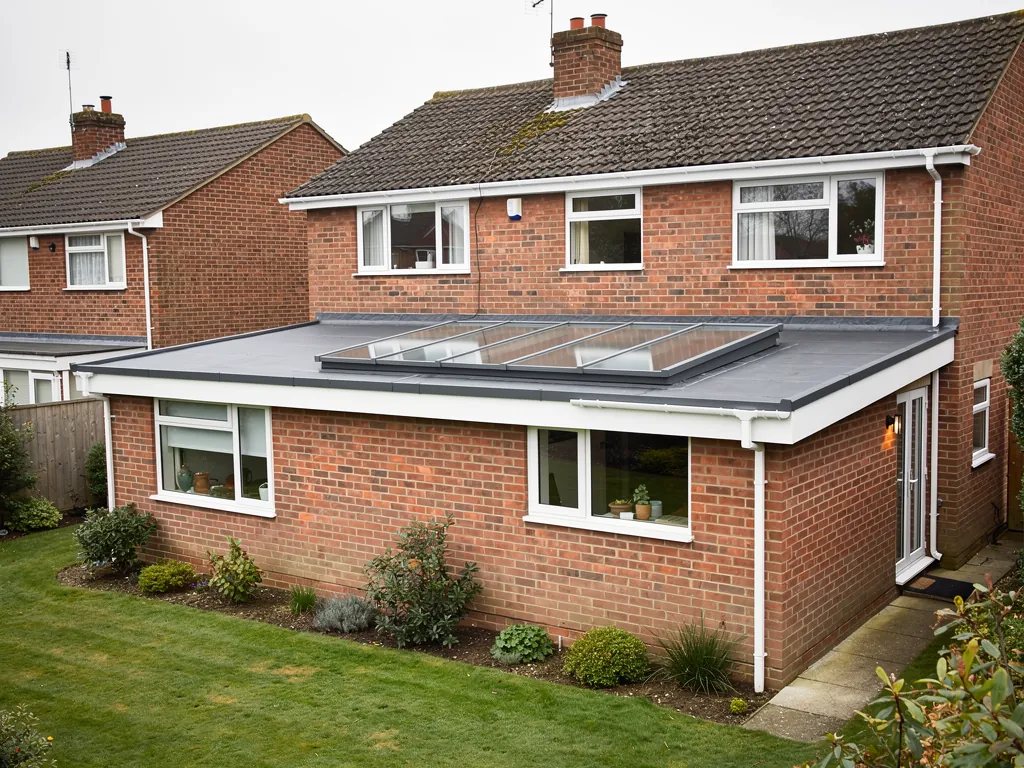
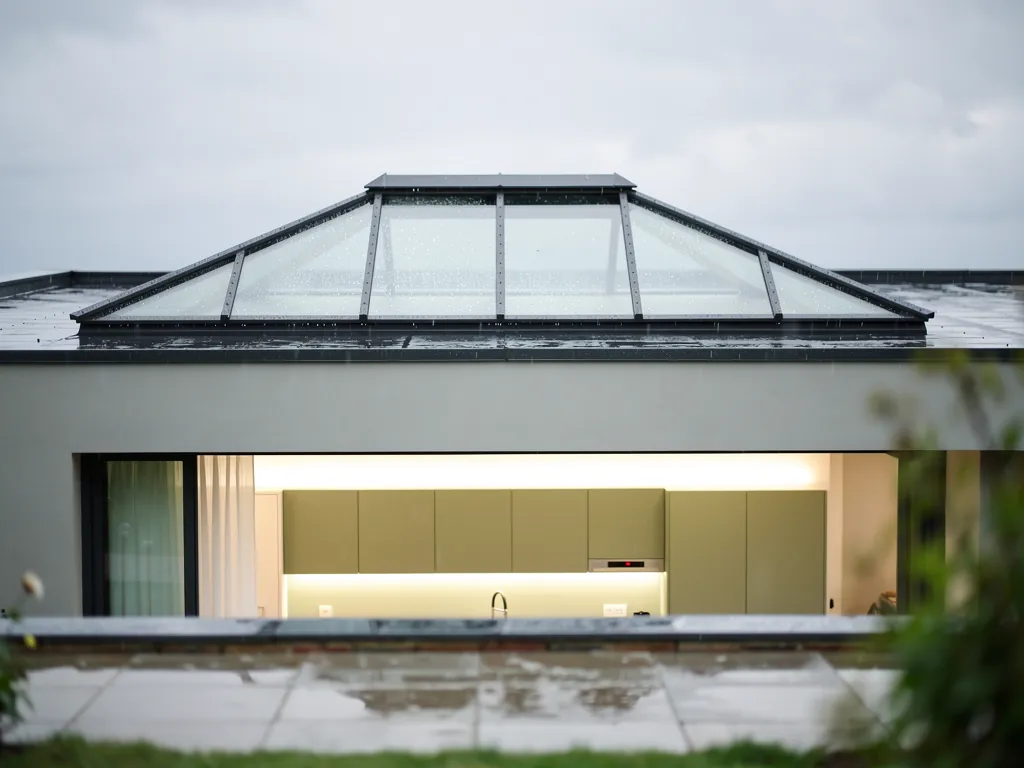
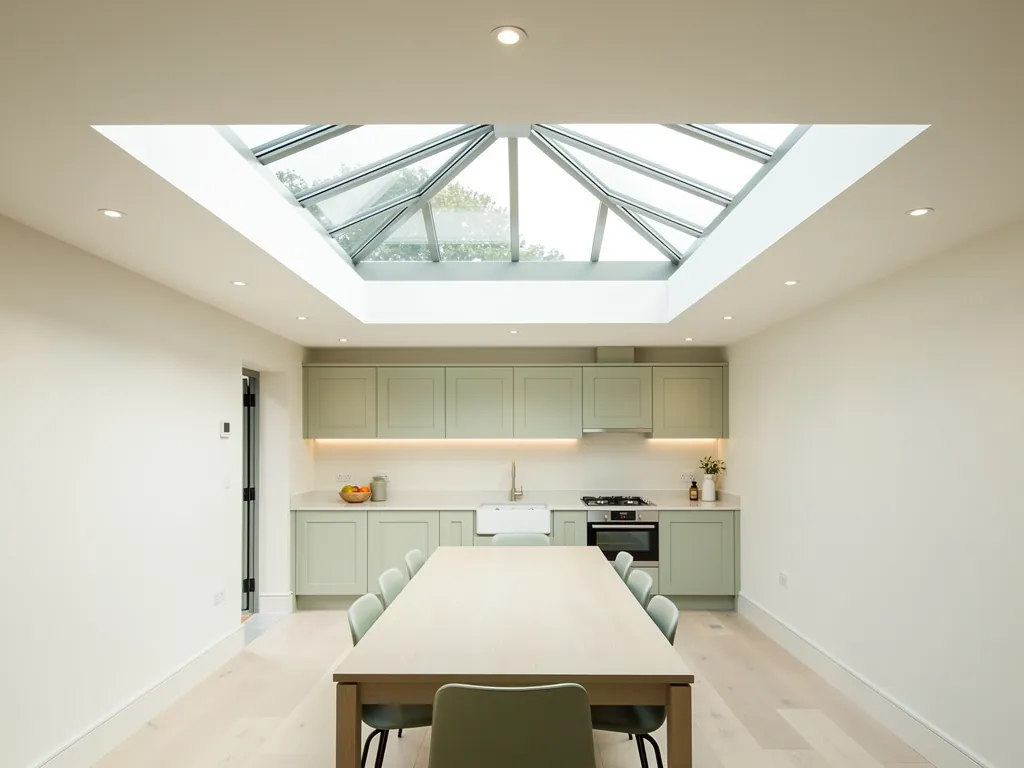
On a flat roof, the choice widens. A flat roof rooflight sits on a raised upstand, with the glass laid to a slight fall so rain runs off. A roof lantern is a pitched glass structure on a flat roof, with a hipped or gabled top that throws light across a whole kitchen. A walk-on rooflight is set flush into a terrace or a flat roof you can stand on, and sends daylight into the room underneath. Where a room needs air as well as light, an electric or opening rooflight lifts on a motor or a manual winder, often with a rain sensor that closes it when the weather turns.

For small, dark spaces, a sun tunnel runs a reflective tube from a dome on the roof to a diffuser in the ceiling. It needs no structural opening in the rafters beyond a small gap, and it suits a bathroom or a landing where a full rooflight would be too much.

Older homes and protected streets bring a separate set of rules about how the glass may look from outside. A conservation rooflight sits low in the roof slope, with slim frames and a central glazing bar, so it reads like the cast-iron rooflights of the nineteenth century while performing to current standards.
NextWhat a Crawley roof actually hears

Listening to the roof

What a Crawley roof actually hears

Aircraft, road, rail and rain reach a Crawley rooflight in different mixes, depending on where the house stands.

A roof is the thinnest part of most houses, and the glass set into it is thinner still. What comes through depends on where the house stands, and in Crawley that means aircraft, road, rail and rain, in different mixes from one neighbourhood to the next.

Gatwick Airport sits inside the borough. It was brought into the borough in 1974, and its main runway runs east to west. About three-quarters of takeoffs head west, so on most days departures climb out to the west and arrivals approach from the east. When the wind swings round to the east, the pattern reverses. A loft bedroom on either side of the airport hears whichever direction is running that day.

The northern edge of the town is closest. Crawley Borough Council's own Local Plan treats the land between the town and the airport as heavily constrained by aircraft noise, and restricts noise-sensitive development in areas it affects. None of that measures what your particular loft hears. That is what the survey is for.

Four sounds a rooflight meets

  • AircraftGatwick sits inside the borough. The sound rises and fades over a minute or so, and the direction changes with the wind.
  • RoadThe M23 runs down the eastern side of the town. Road noise is a low, steady rumble.
  • RailThe Brighton main line runs through Three Bridges, with trains on all three lines. Rail noise comes in bursts.
  • RainNothing to do with location. Every kitchen extension with a lantern hears it.

Road and rail are the other two. The M23 runs down the eastern side of the town. Maidenbower was built on farmland between the motorway and the London to Brighton railway, so its houses sit between two corridors at once. The Brighton main line runs through Three Bridges, which became a junction as the Horsham and East Grinstead branches were added in the nineteenth century, and trains still pass on all three lines. Road noise is a low, steady rumble. Rail noise comes in bursts. Aircraft noise rises and fades over a minute or so. Each one reaches a rooflight differently.

Then there is rain, which has nothing to do with location. A flat sheet of glass on a flat roof takes rain like a drum skin. Every kitchen extension with a lantern hears it, in Crawley or anywhere else, and a heavy shower at dinner time can sound like gravel poured onto a tin roof. Our guide to reducing rain noise under a flat rooflight explains why the glass build matters more than the frame.

NextGlass, cavity, seals and upstand: the quiet spec in detail

The glazing build

Glass, cavity, seals and upstand: the quiet spec in detail

Quiet comes from four things you can name, and all four are written down in the spec that comes with every quote.

Quiet comes from four things you can name: the glass, the gap between the panes, the seals, and the way the upstand or frame is built into the roof. None of it is exotic, and all of it goes into the written spec that comes with every quote.

The glass
A standard sealed unit is two panes of toughened glass of the same thickness. Sound passes through that easily, because two identical panes vibrate at the same frequencies and pass the energy between them. A quieter build uses panes of different thickness, so they resonate at different points, and makes the inner pane laminated. Laminated glass is two sheets bonded with a plastic interlayer. An acoustic interlayer is softer, and it damps the vibration rather than passing it on. Laminated glass on the inside is also what keeps broken glass in place above your head, which is why it is usually specified on rooflights anyway. The acoustic version costs a little more than the standard one and does a very different job.
The cavity
The gap between panes carries sound as well as heat. A wider cavity, filled with argon, helps with both, up to the limit the frame can take. Triple glazing adds a third pane and a second cavity. It improves thermal performance, but it is not automatically quieter than a well built double unit with an acoustic laminated inner pane, and it adds weight the frame has to carry.

A quieter rooflight, outside to room

  1. 1Outer pane A different thickness from the inner pane, so the two resonate at different points instead of passing energy between them.
  2. 2Cavity A wider gap filled with argon helps with sound and heat, up to the limit the frame can take.
  3. 3Acoustic laminated inner pane Two sheets bonded with a softer interlayer that damps vibration and keeps broken glass in place.
  4. 4Seals Continuous seals between glass and frame, and frame and upstand. Sound goes through gaps first.
  5. 5Insulated upstand Lined and sealed to the roof covering, so the frame stops acting as a sounding board and the reveal stays warm.
The seals
Sound goes through gaps first. An opening roof window has a sash, and the gaskets around that sash are the weakest point in the whole unit. Worn or poorly fitted seals let in noise and draughts together. On a fixed flat rooflight, the seal between the glass and the frame, and between the frame and the upstand, both need to be continuous.
The upstand
A flat rooflight sits on a raised kerb above the roof surface. A thin timber upstand can ring like a box. An insulated upstand, lined and properly sealed to the roof covering, stops the frame acting as a sounding board and keeps the reveal warm, so condensation is less likely to form on the inside.

We write all four down for your room: what we heard at the survey, the glazing build we propose and why, and how the seals and upstand will be finished. That page is the quiet spec, and you can hold it against the finished job. It gives no decibel promise, because no honest installer can give one for a room nobody has measured. It gives a specification you can check.

The same choices help with heat. An acoustic laminated inner pane sits inside a unit that also has a low-emissivity coating and a warm edge spacer. If thermal performance is your main concern, our page on energy efficient rooflights covers U-values, solar control coatings and the trade-off between heat gain in summer and heat loss in winter.

NextNew Town houses and the rooflights they take

Reading the housing

New Town houses and the rooflights they take

In a planned New Town, the neighbourhood tells you roughly when a house was built, and the build date tells you about its roof.

Crawley was designated a New Town on 9 January 1947, and most of its homes were built by one development corporation to a planned sequence of neighbourhoods. That makes the housing unusually readable: the neighbourhood tells you roughly when a house was built, and the build date tells you a lot about its roof.

The New Town started in West Green, where the first houses went up from 1949. Northgate followed in 1951, then Langley Green, Three Bridges, Pound Hill and Ifield, with Tilgate and Southgate from 1955 and Gossops Green in 1956. Furnace Green came in 1960, Broadfield in 1969 and Bewbush in the mid-1970s. Maidenbower was declared the thirteenth neighbourhood in 1986 and was almost complete by 2000. Forge Wood, the fourteenth, began in 2014 in the north-east of the town, next to Tinsley Green.

A population that grew from about 9,500 people in the 1951 count to 118,493 at the 2021 census has had to find space in houses built for smaller households. The two usual answers are the loft conversion and the single-storey rear extension, and both are where rooflights go.

How the neighbourhoods were built

  1. 1947New Town designatedCrawley is designated a New Town on 9 January 1947.
  2. 1949West GreenThe first houses go up, mostly brick with pitched tiled roofs.
  3. 1951NorthgateNorthgate follows, later with its 142 concrete houses from 1955.
  4. 1969BroadfieldBroadfield arrives, with Bewbush and its terraces in the mid-1970s.
  5. 1986MaidenbowerDeclared the thirteenth neighbourhood, and built with trussed roofs rather than cut rafters.
  6. 2014Forge WoodThe fourteenth neighbourhood begins in the north-east of the town, next to Tinsley Green.

Lofts in 1950s and 1960s houses

The early neighbourhoods are mostly brick semis and terraces with pitched tiled roofs. A loft conversion there usually puts roof windows into the rear slope, and sometimes a dormer. The rafter spacing sets the width of a roof window unless the rafters are trimmed, and trimming needs the structure checked. Our guide to skylights in post-war homes around Crawley covers the rafter sizes, tile types and headroom questions these houses raise.

Northgate is the exception to the brick pattern. Its 142 concrete houses from 1955 are described as unique in the town, and a non-traditional construction like that needs its roof structure understood before anyone cuts an opening into it.

Flat-roofed extensions and terraces

Bewbush is mostly terraced houses and flats, many originally council-owned. A terraced house has no side wall to extend through, so the rear extension, often flat-roofed, becomes the place for daylight. A flat rooflight or a lantern over a kitchen extension brings light into the middle of a deep plan that the back window cannot reach.

Older houses inside the New Town

Not everything in Crawley is post-war. Northern Southgate keeps Victorian terraces, semis and large villas built by local firms in the nineteenth century. Three Bridges grew up around the railway from 1841. The old market town survives along the High Street, and Ifield and Worth are older villages absorbed into the borough. Slate roofs, steeper pitches and conservation areas all change the choice of rooflight on these houses.

Newer estates

Maidenbower and Forge Wood are recent neighbourhoods, and houses of that age are usually built with trussed roofs rather than cut rafters. A trussed roof cannot simply be cut to take a larger window, because each truss is part of an engineered system. A roof window there is sized to fit between the trusses, or the structure is redesigned with an engineer. Both are normal. It just has to be known before the quote.

NextReplacing a misted or failed rooflight

When it is time

Replacing a misted or failed rooflight

A rooflight fitted in the 1980s or 1990s is well past the life of its sealed unit, and the signs show from the room below.

Skylight replacement in Crawley is as much a part of the work as new installation. A rooflight fitted in the 1980s or 1990s is now well past the life of its sealed unit, and the signs are usually easy to read from the room below.

The common ones are these:

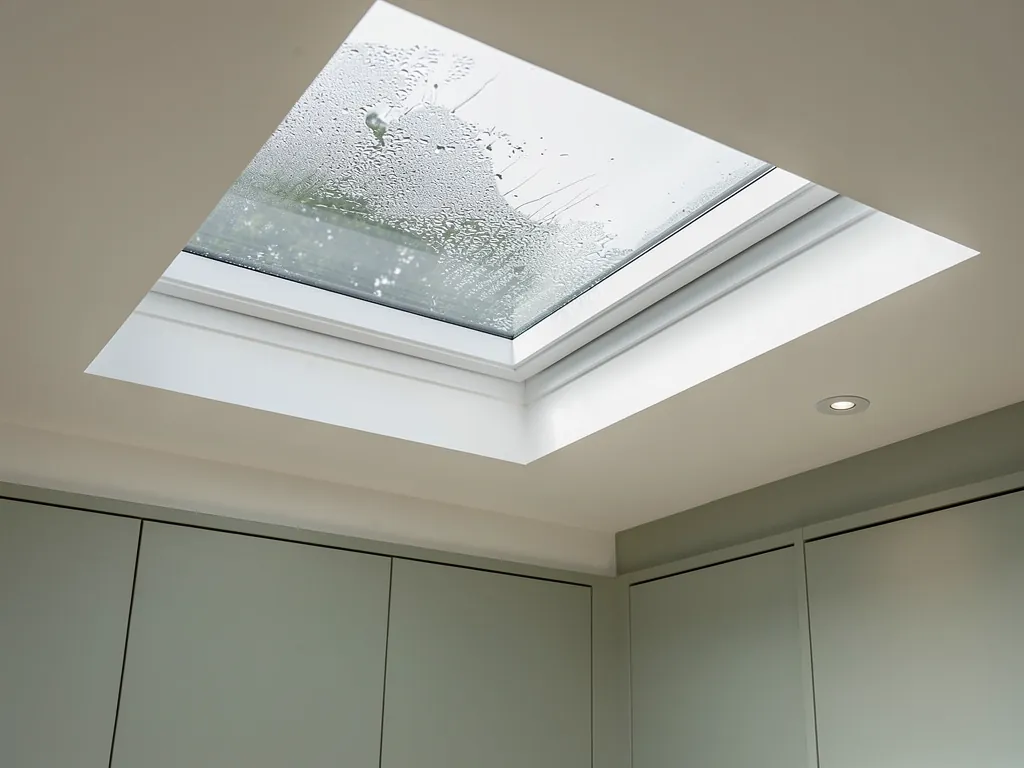
  • Mist or droplets between the panes that you cannot wipe off from either side. The seal on the sealed unit has failed and moist air has got into the cavity.
  • Water staining on the ceiling or the lining around the rooflight, or damp on the reveal after rain.
  • A sash that no longer closes tightly, or a draught you can feel around the frame.
  • Condensation running off the frame on cold mornings, often a sign of an old aluminium frame without a thermal break.
  • Yellowed or brittle plastic domes, common on flat-roof extensions from the 1970s and 1980s.
  • Noise you did not notice before. Worn seals let sound in long before they let water in.

Our guide to the signs a rooflight has failed goes through each one in more detail, and the misted and failed rooflight replacement page explains the work itself.

Whether you replace only the glass unit or the whole rooflight depends on the frame. If the frame is sound, square and the right product for the room, a new sealed unit can go into it, and that is the time to upgrade to an acoustic laminated inner pane. If the frame is rotten, distorted, single glazed or simply the wrong rooflight for a bedroom under a flight path, the whole thing comes out.

Rooflight replacement in Crawley also brings the chance to change the product. A plastic dome can become a glass flat rooflight. A fixed unit can become an opening one for ventilation. A small old roof window can sometimes be replaced with a larger one in the same area of roof, if the structure allows. And a replacement rooflight has to meet current Building Regulations, which are considerably tighter than whatever the original was fitted to.

NextBuilding Regulations for new and replacement roof glazing

Building Control

Building Regulations for new and replacement roof glazing

Almost all rooflight work touches Building Regulations, and we handle the Building Control notification where the work is notifiable.

Almost all rooflight work touches Building Regulations, and a new or replacement rooflight in England usually has to be notified to Building Control. We handle that notification where the work is notifiable, and we install to current standards.

Four parts of the Regulations do most of the work on a rooflight:

  1. Part L, conservation of fuel and power. Approved Document L sets a limiting U-value for new and replacement rooflights in existing homes. It is the reason an old single-glazed dome cannot simply be swapped like for like.
  2. Part K, protection from falling, collision and impact. Glazing within reach, in a walkable roof or over a stair has to be safe to fall against or stand on, which is why walk-on units carry a load rating and why laminated glass goes on the inside.
  3. Part B, fire safety. Rooflights near a boundary or over an escape route have rules on spread of flame. In a loft conversion, an opening roof window can form part of the escape plan, and then its size and height from the floor are set.
  4. Part F, ventilation. Rooms need ventilation, and a replacement window or rooflight must not leave the room with less than it had.

A new rooflight in a roof that has never had one is a structural alteration as well. Cutting rafters needs trimmers, and a larger opening may need calculations. That goes to Building Control through a building notice or full plans, depending on the job.

Swapping only a misted sealed unit in a sound frame is generally not treated as notifiable, because the frame and opening stay as they were. Replacing the whole rooflight is. Our guide to Building Regulations for rooflights explains each Approved Document in plain English, with the questions Building Control will ask.

NextPlanning, permitted development and Crawley's conservation areas

Planning and protection

Planning, permitted development and Crawley's conservation areas

Most rooflights on houses need no planning application, but Crawley protects more places than its New Town reputation suggests.

Most rooflights on houses need no planning application, because they fall within permitted development. The exceptions are protected buildings and protected places, and Crawley has more of those than its New Town reputation suggests.

Permitted development for rooflights on a house generally allows them so long as they do not project more than 150 millimetres beyond the plane of the roof slope, do not rise above the highest part of the roof, and any side-facing window is obscure glazed and fixed below a set height. Flats, maisonettes and listed buildings do not have the same rights, and an Article 4 direction can remove them on a particular street.

Crawley Borough Council is the planning authority, and it lists 13 conservation areas:

  • Brighton Road, Dyers Almshouses and the High Street, around the old market-town core.
  • Ifield Village, Worth and St Peters, around the older village centres.
  • Hazelwick Road in Three Bridges, Forestfield and Shrublands in Furnace Green, Malthouse Road and Sunnymead.
  • Queens Square and The Broadway, Gossops Green Neighbourhood Centre and Southgate Neighbourhood Centre, the New Town's own planned centres.

The numbers that set the rules

  • 150 millimetresFurthest projection beyond the roof slopeThe limit for a rooflight within permitted development, measured from the plane of the roof.
  • 13Conservation areas in the boroughListed by Crawley Borough Council, from the old market-town core to the New Town's own planned centres.
  • November 2022New Town centres protectedQueens Square and The Broadway and the Gossops Green centre became conservation areas.

That last group is worth noticing. Queens Square and The Broadway and the Gossops Green centre became conservation areas as recently as November 2022, and the High Street and St Peter's areas were extended at the same time. Crawley is now protecting parts of the New Town itself, not only the older villages. The position for your street is checked for the address before we quote.

Listed buildings are separate again. The borough has listed churches with thirteenth-century origins, an early sixteenth-century coaching inn in West Green, and buildings in Northgate that predate the New Town, and any change to a listed building's roof needs listed building consent. A low-profile conservation rooflight is usually the product the planning officer will expect to see. Our answer on whether Crawley Borough Council needs to approve a rooflight walks through each case.

NextWhat moves the cost of a rooflight

Reading the price

What moves the cost of a rooflight

A rooflight's price is set by things you can see on the survey: the product, the glazing, the roof and access.

A rooflight's price is set by a handful of things you can see on the survey, and none of them is guesswork. We give no figures on this page, because the numbers only mean something once the room and the roof have been looked at.

The main drivers are the product and its size, the glazing build, the roof, and access. A lantern costs more than a flat rooflight of the same footprint because there is more frame and more glass. An electric opening unit costs more than a fixed one. An acoustic laminated inner pane adds to the glass cost. Triple glazing adds more.

The roof matters as much as the product. A new opening in a pitched roof means cutting and trimming rafters, fitting the flashing and making good the tiles, then lining the reveal inside. A trussed roof may need an engineer. A flat roof needs the upstand built and sealed into the covering, and if the covering is near the end of its life, it is sensible to plan the two together.

What moves the price

  • Product and sizeA lantern costs more than a flat rooflight of the same footprint. An electric opening unit costs more than a fixed one.
  • Glazing buildAn acoustic laminated inner pane adds to the glass cost. Triple glazing adds more.
  • The roofCutting and trimming rafters, an engineer for a trussed roof, or an upstand built into a flat roof covering.
  • New opening or replacementReplacement is often less work, unless the old upstand is rotten or the opening is out of square.
  • AccessA bungalow extension may need only a ladder and a tower. Three storeys up needs scaffolding.

Replacement is often less work than a new opening, because the structure is already there. It can still grow if the old upstand is rotten, the opening has been cut out of square, or the replacement has to be larger to meet current standards.

Access sets the rest. A bungalow extension can often be reached from a ladder and a tower. A rooflight three storeys up on a tall roof needs scaffolding. Our costs page sets out general UK ranges for each type of rooflight and explains how to read a quote.

NextA rooflight fitted around a lived-in home

On the day

A rooflight fitted around a lived-in home

The work is planned so the roof is open for as short a time as possible and the room below is left clean.

Most rooflight jobs happen in homes where people are still sleeping, cooking and working. The work is planned so the roof is open for as short a time as possible and the room below is left clean.

It starts with the survey. We look at the roof from outside and the room from inside, check the structure and the covering, measure the opening, and listen. A loft at seven in the morning on a weekday tells you more about the departures than any map. After the survey, you get a written quote with the quiet spec for each rooflight.

On the day, dust sheets go down first and furniture is covered or moved. For a new roof window, the tiles and battens come off around the opening, the rafters are cut and trimmed, and the frame goes in with its flashing kit so it is weathertight by the end of the day. For a flat rooflight or a lantern, the opening is cut through the deck and the upstand is built and sealed to the roof covering before the glass is lifted into place.

From survey to guarantee

  1. 01SurveyWe look at the roof outside and the room inside, check the structure, measure the opening, and listen.
  2. 02Written quoteA written quote with the quiet spec for each rooflight.
  3. 03Protecting the roomDust sheets go down first, and furniture is covered or moved.
  4. 04Opening and frameThe opening is cut and the frame or upstand goes in, weathertight by the end of the day. Openings are not left uncovered overnight.
  5. 05Lining the revealInside, the reveal is lined, insulated and plastered or boarded ready for decoration.
  6. 06Notification and guaranteeBuilding Control is notified where it applies, and the work carries our workmanship guarantee.

Inside, the reveal is lined, insulated and plastered or boarded ready for decoration. A single roof window in a loft is usually a day's work, sometimes two. A lantern on a new opening takes longer. Replacements are often quicker still, because the opening is already formed.

Weather is part of the plan. Openings are not left uncovered overnight, and a day of steady rain moves the roof work rather than risking the room. When the job is done, Building Control is notified where it applies, and the work carries our 10-year workmanship guarantee.

NextCrawley and the thirty miles around it

Where we work

Crawley and the thirty miles around it

We fit and replace rooflights across Crawley and roughly 30 miles by road around it, each town with its own mix of sky, road and rain.

We fit and replace rooflights across Crawley and roughly 30 miles by road around it. That takes in West Sussex, Surrey, parts of East Sussex, the Kent edge and the south London fringe, with each town hearing its own mix of sky, road and rain.

Inside the borough we work in every neighbourhood: West Green, Northgate, Langley Green, Three Bridges, Pound Hill, Ifield, Tilgate, Southgate, Gossops Green, Furnace Green, Broadfield, Bewbush, Maidenbower and Forge Wood. Just outside it, Kilnwood Vale lies in Horsham district between Horsham and Crawley.

Around the airport, the villages and towns that the departures and arrivals pass over each get their own page: rooflights and skylights in Horley, Charlwood and Copthorne among them. Further out, the Gatwick routes matter less and road or rain matter more. East Grinstead sits at the far end of the Three Bridges branch line, and Horsham at the far end of the other, where a semi with a kitchen lantern hears a downpour exactly as a Crawley one does.

What each town page is written from

  • Its housingThe age and type of house, from a Maidenbower semi to a cottage in the Weald.
  • Its planning authorityThe council that decides on rooflights for that town.
  • Its conservation areasThe protected streets and centres in that town.
  • The noise it hearsNear the airport the Gatwick routes matter. Further out, road or rain matter more.

Each town page is written from that town's own facts: its housing, its planning authority, its conservation areas and the noise it actually hears. The quiet spec for a cottage in the Weald will not read the same as the one for a Maidenbower semi, and it should not.

NextBefore you book: what Crawley homeowners want to know

Common questions

Before you book: what Crawley homeowners want to know

Short answers to the questions people ask when weighing up a new or replacement rooflight, each linking on to the fuller guide.

These are the questions people ask when they are weighing up a new or replacement rooflight in a Crawley home. The short answers are here, and each links on to the fuller guide.

Can a rooflight really be quiet under a flight path?

It can be much quieter than a standard one. The difference comes from an acoustic laminated inner pane, panes of different thickness, a sensible cavity and sound seals. No rooflight makes a room silent, and we never promise a figure. The quiet spec tells you exactly what we propose and why.

Is a roof lantern louder in the rain than a flat rooflight?

A lantern has a larger area of glass, so it has more surface for rain to strike. The pitched glass also sheds water faster than flat glass. With the same acoustic glazing, the difference is smaller than people expect. The glass build matters more than the shape.

Do I need planning permission for a rooflight in Crawley?

Usually not, if it is on a house and within permitted development limits. A listed building, a flat, or a street under an Article 4 direction changes that. In one of Crawley's 13 conservation areas, the rules on the front roof slope are worth checking early. We check the position for your address before quoting.

Should I replace a misted rooflight or just the glass?

If the frame is sound and right for the room, the glass unit alone can often be replaced, with an acoustic laminated inner pane added. If the frame is failing or the wrong product, replace the whole rooflight. Our replacement page goes through how to tell.

How soon can the work start?

After the survey and the written quote, work is booked around the weather and the Building Control notice where one is needed. To start, get a quote using the form on this page, or send us a message on WhatsApp.

Guides and answers on rooflights and skylights

Written for homeowners around Crawley: the plain answer first, then the detail.

All guides All answers

Questions homeowners ask

Get a quote

Tell us about the room

  • No obligation
  • Quiet spec included
  • 10-year guarantee

Prefer to message? WhatsApp us or call 01293 974093, or email info@clearskylightscrawley.co.uk.